

PWR-04 · Power continuity
Central battery systems for emergency lighting you can prove is ready
A central battery system feeds emergency luminaires from one monitored battery source instead of hundreds of small batteries hidden in ceilings. We design it, size it for the required autonomy and set up the tests and logs that show it works.
Central or self-contained emergency lighting
Emergency lighting can be powered in two ways: self-contained luminaires, each with its own battery, or a central system feeding many luminaires over dedicated circuits. Self-contained fittings suit small buildings. In larger ones, hundreds of small batteries spread through ceiling voids each need testing and replacement, and a failure is only found when someone looks.
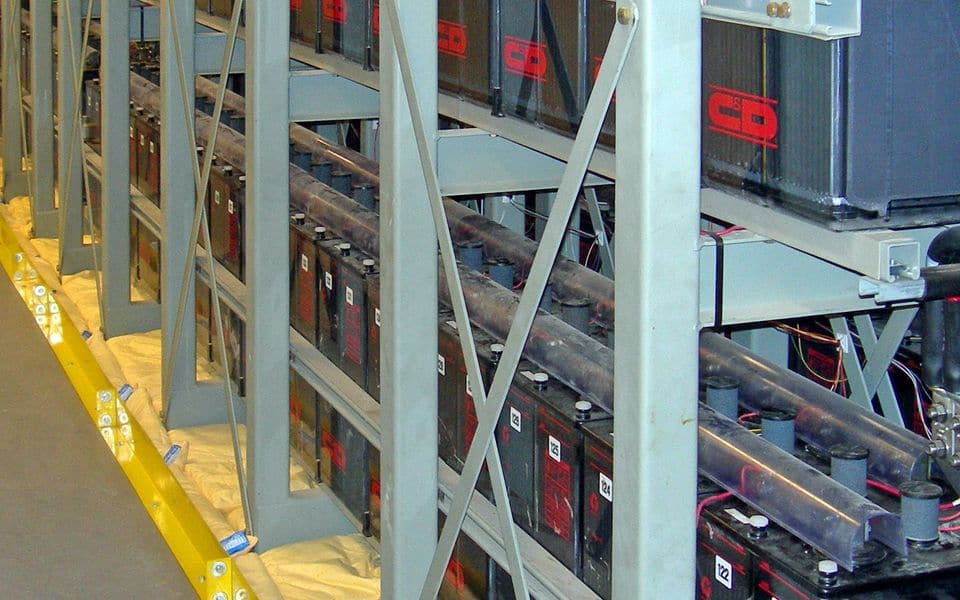
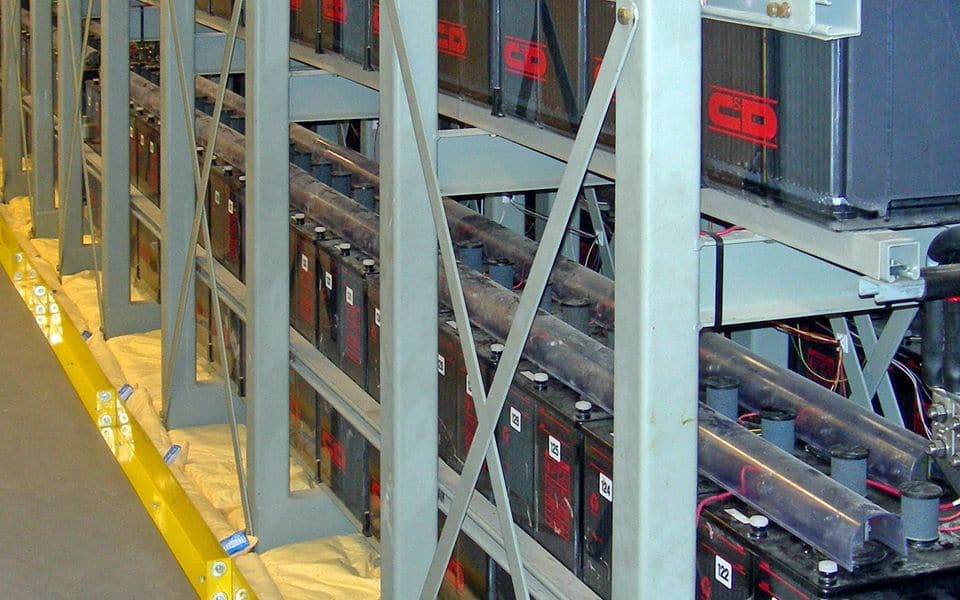
A central battery system (CBS) keeps the batteries in one controlled place, with one charger and one set of tests. EN 50171 sets the requirements for central safety power supply systems: charger performance, batteries, changeover, protection, monitoring and labelling. Where your specification calls for it, we design to it.
| Self-contained luminaires | Central battery system | |
|---|---|---|
| Batteries | One in every luminaire | One battery set in a dedicated room or enclosure |
| Battery replacement | Every fitting, at ceiling height | In one location |
| Testing | Per luminaire, manual or addressable | Automatic from the central unit, with logs |
| Battery temperature | Whatever the ceiling void reaches | Controlled room temperature |
| Wiring | Standard lighting circuits | Circuits designed to keep working during the emergency, with cable and routes specified for it |
| Best fit | Small buildings, few luminaires | Larger buildings: hospitals, hotels, malls, car parks |
Because one central unit serves many luminaires, its reliability matters more. We split luminaires across several circuits, and across sub-stations in large buildings, so a single fault never darkens a whole escape route. The luminaire layout and lighting levels come from the building's lighting design under the applicable code; we coordinate with it and size the power behind it.
Sizing and autonomy
A central battery system is sized from the emergency load, the required duration and the conditions the battery will live in:
- Load: the total luminaire power in emergency mode, counting maintained and non-maintained fittings correctly, plus converter losses.
- Autonomy: the duration required by the applicable code and the authority for that building and its evacuation strategy, often 1 or 3 hours.
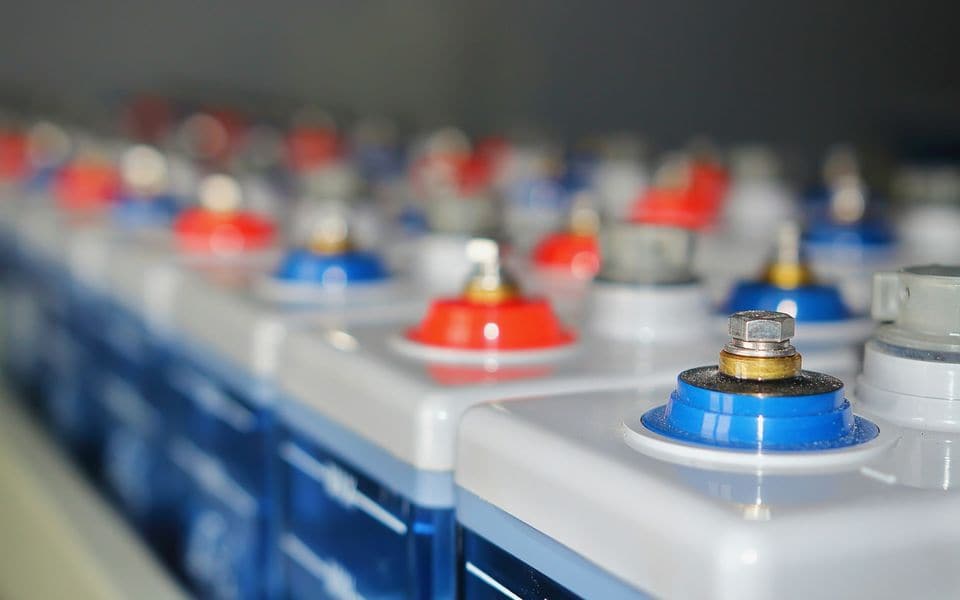
- Ageing and temperature: battery capacity falls with age and is lower when cold and shorter-lived when hot. We include an ageing factor so the rated duration is still met near the end of the battery's design life.
- Recharge: after a full discharge the charger must restore the battery within the time the standard and your specification require, so charger capacity is sized with the battery, not after it.
- Voltage drop: on long circuits the farthest luminaire must still receive enough voltage at the end of discharge. Cable sizes are calculated for that worst case.
The battery room follows the same rules as for a UPS. VRLA life roughly halves for every 8–10 °C of sustained temperature above 25 °C, so the room needs ventilation for charging gases and a controlled temperature, not the leftover space next to a hot plant room.
Monitoring and testing routines
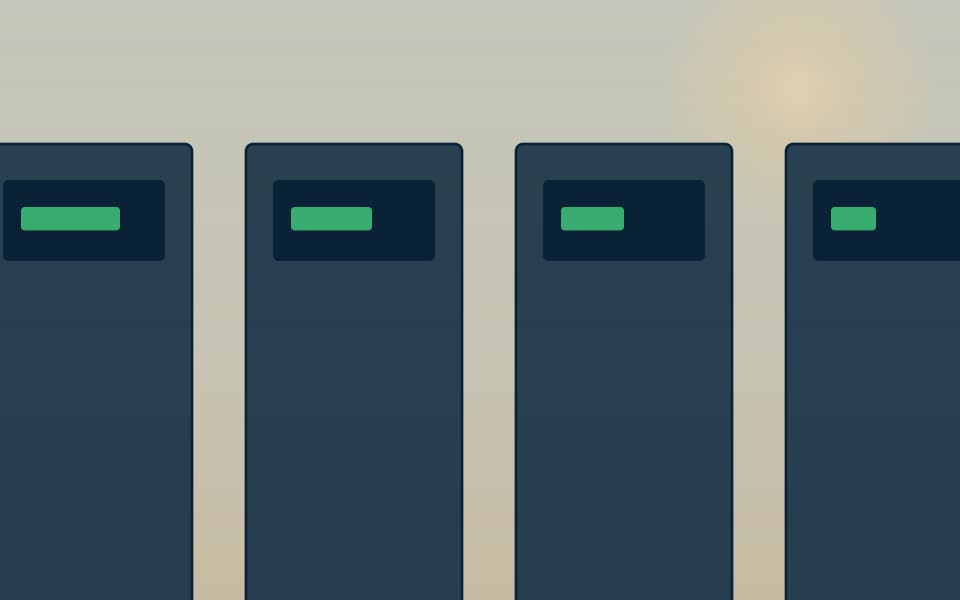
A modern CBS monitors every circuit and, with addressable luminaires, every fitting: lamp failure, communication loss, circuit fault and battery condition. Faults show on the central panel and can be passed to the building management system or the maintenance team, so a failed luminaire is found in days, not at the annual inspection.
- Function test: a short changeover to battery that proves every luminaire lights, usually run automatically, typically monthly.
- Duration test: a discharge for the full rated duration, typically once a year, proving that the battery still delivers its autonomy.
- Logs: every test and every fault recorded with date and result, and kept for inspection.
- Battery checks: block voltages, impedance trend, connections and room temperature.
After a full-duration test the battery is discharged, and emergency lighting cover is reduced until it recharges. We schedule duration tests out of hours, or split them across circuits, so the building is never left without cover at a busy time.
We provide design, installation, commissioning and maintenance of the central battery power supply for emergency lighting. We don't provide fire alarm systems. Central units, batteries and luminaires are procured by you or your contractor against our specification.
Our part, start to finish
What we do on a central battery project
We don't sell the equipment. We design the system, install and commission it, and keep it ready.
Design & consulting
- Emergency load schedule from the lighting design
- Autonomy, ageing and recharge sizing
- Circuit and sub-station arrangement
- Cable sizing for voltage drop
Installation
- Central unit and battery installation
- Circuit wiring and luminaire addressing
- Function and full-duration tests at commissioning
- Test logs and handover records
Maintenance
- Review of automatic test logs
- Follow-up of luminaire and circuit faults
- Battery and room temperature checks
- Coordination of the annual duration test
Before you buy
Questions to settle first
These decide cost and reliability more than the brand on the box. We work through them with you at survey stage.
- What autonomy do the authority and the building's use require?
- Is the lighting design done, and which luminaires are maintained or non-maintained?
- Where will the central unit and batteries sit, and can that room be kept cool?
- Who will review the test logs and act on faults?
- Should faults be reported to the building management system?
- When can a full-duration test run without leaving the building exposed?
Works alongside
Related systems
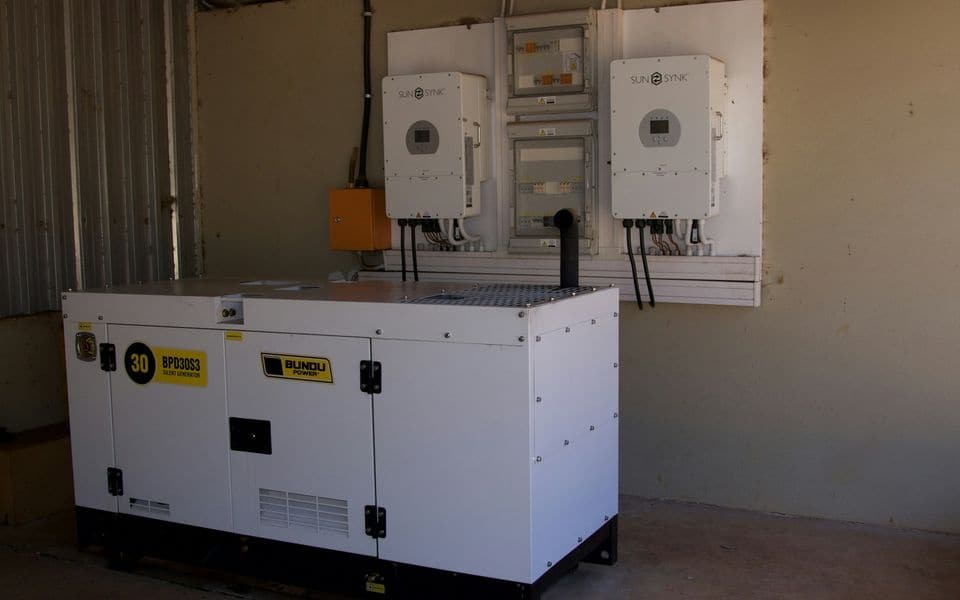
Power continuity
How UPS, central battery, generator and solar fit together.
Read more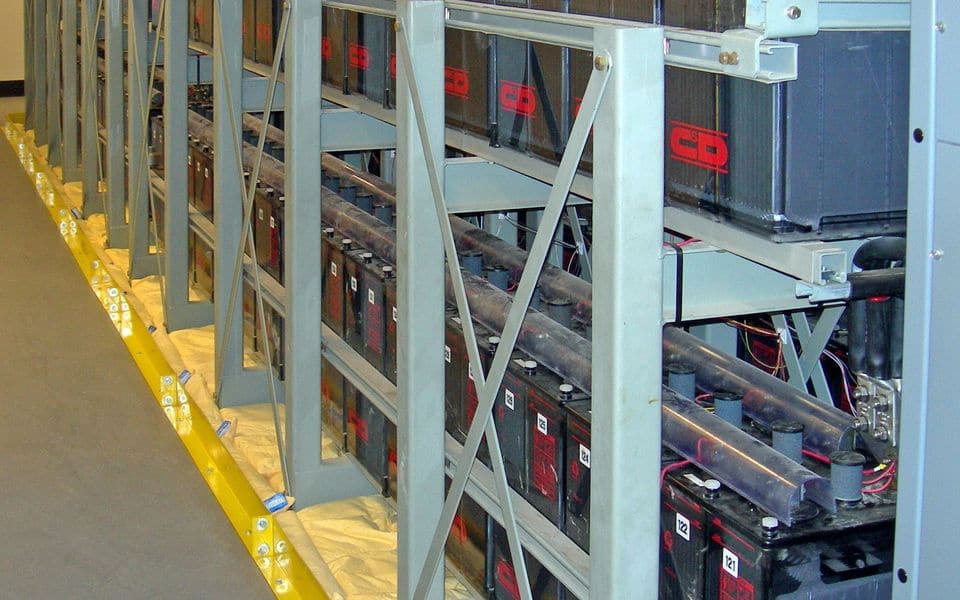
UPS systems
Online UPS sized by load and autonomy, with batteries that last.
Read more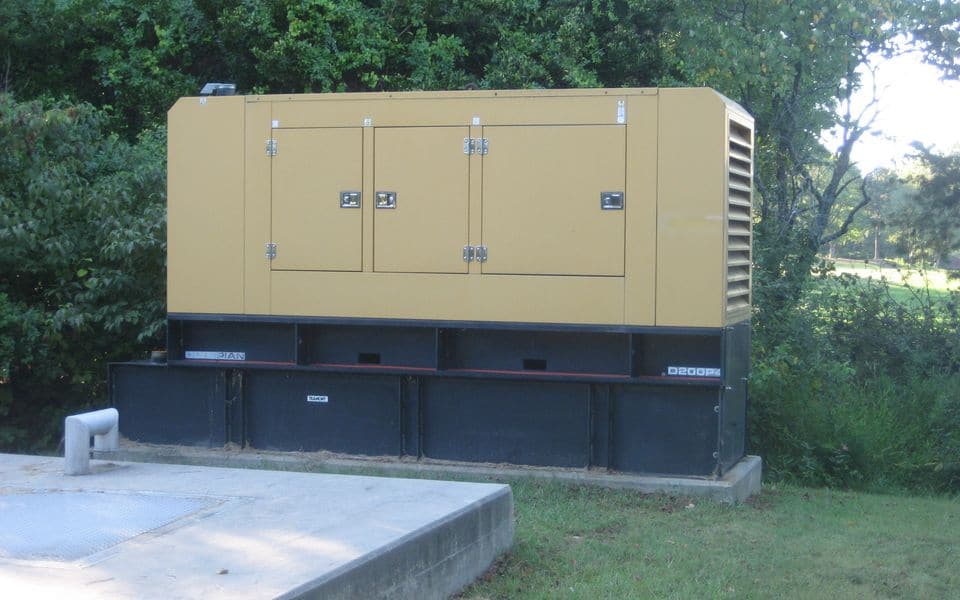
Generator interfaces
ATS, transfer and the loads behind a standby generator.
Read more
Solar PV
On-grid, hybrid and off-grid PV for buildings and remote points.
Read moreGallery
Central battery in context
Illustrations show typical arrangements, not specific projects. Select an image to enlarge it.